
Yes you are. Here's more Proof
The $6B/year was a federal subsidy to the banks to administer FEDERAL LOANS to students, which total around $700B. All of the $700B was federal money, which the banks simply were the middleman, skimming 10% for doing nothing more than raising the interest rate students pay. Yes Banks also made some private loans too, but those were federally guaranteed as well, so even if the student defaulted the banks would get paid by the taxpayer. But private student loans are less than 1/4th of all student loans.
Here's the figures from 2009: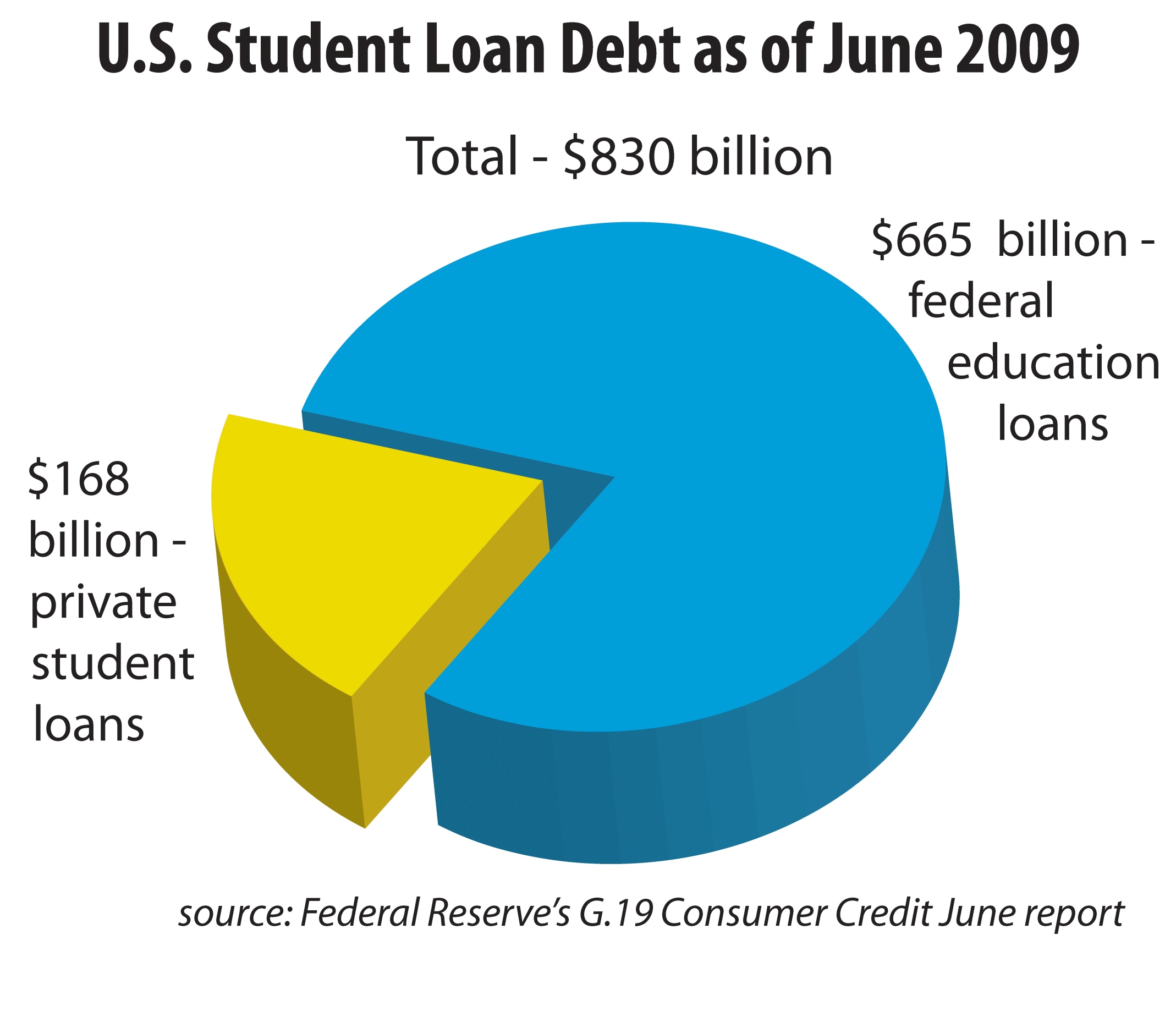
Here's an explanation from Lawbrain.com:
The federal student loan process was revamped with the Student Loan Reform. A major change was removing the Federal Family Education Loan (FEL) Program[4], also known as FELP. FELP had banks as the middlemen. The government was paying commerical banks to act as an intermediary between the government and student.[5] With the removal of this program, all new Stafford, PLUS, and Consolidation loans are now available from the U.S. Department of Education Direct Loan program.[6] This regulation came into effect on July 1, 2010.
For the Federal Pell Grant program, which provides need-based grants to low-income students, the Student Loan Reform both increased the amount of money available per grant and also increased the number of grants offered.[7]
The Student Loan Reform changed the policy of consolidating federal student loans so that consolidation will be possible while the student is still in college. Previously, students would only have the opportunity to consolidate the various federal student loans after graduation.[8]
Additionally, the Student Loan Reform added amendments to the new Income-Based Repayment (IBR) plan, where federal student loan borrowers who have a high debt relative to their income could have their monthly payments capped to less than 10% of their gross income for 25 years. There were major flaws in the plan where certain borrowers were required to make higher monthly payments than they should have. An example of this is married couples, where the IBR program would calculate the monthly payments based on the joint income, not taking into consideration that both individuals might have federal student loans.[9]
This reform really was a no brainer, unless you are opposed to federal loans to students in the first place. If the feds are going to loan students money to get to college, it was insane to have the banks skim 10% off the top and raise the interest rate.